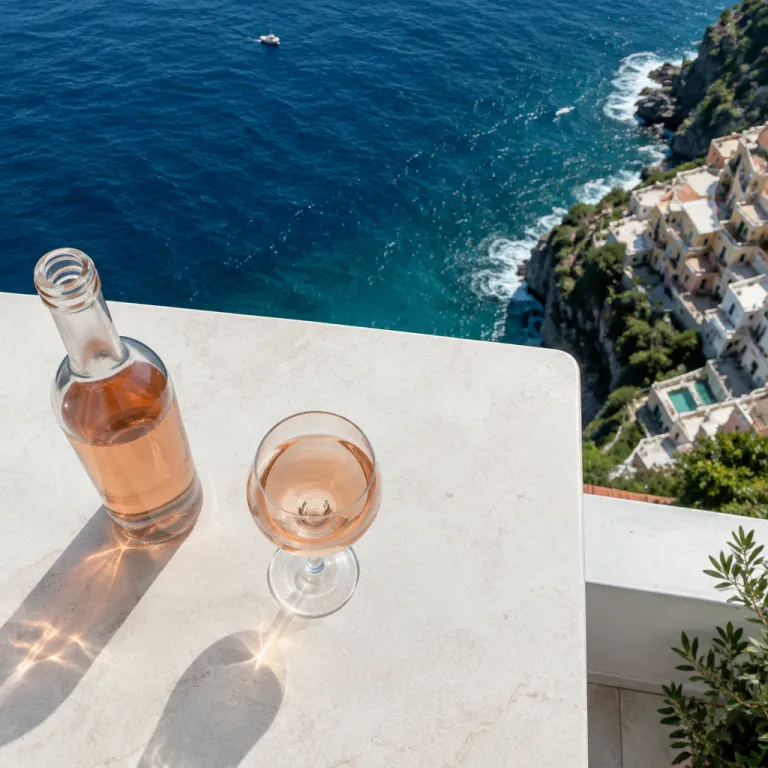
Choosing a Positano hotel when italian rosé wine is part of your stay
Positano rewards travellers who choose a hotel with serious wine service. If italian rosé wine is central to your plans, focus on properties whose restaurants treat every bottle as part of a curated food and wine journey, not just a basic list. Many of the best options sit on terraces high above the sea, where the pale pink color of each glass of rosato mirrors the sunset over southern Italy.
When you book, ask the concierge about their selection of rosé wine and other wines produced from native grapes. A hotel that can speak confidently about italian rosato styles, from delicate white wine alternatives to deeper red wine expressions, usually works closely with local sommeliers and trusted importers. This level of attention matters if you want rose wines and red wines served at the right temperature, in proper stemware, and paired thoughtfully with the catch of the day.
Some Positano properties now highlight italian rosé themed aperitivo hours on their panoramic terraces. At Le Sirenuse, for example, the team is known for pouring structured cerasuolo d’Abruzzo made from the Montepulciano grape beside a lighter pinot grigio based rosato from northern Italy, while staff explain how different red grapes change the flavor and color. These early evening tastings help you decide whether you prefer a more structured wine italian style with cherry notes or a breezier summer glass that feels almost like salty juice from the Amalfi breeze.
Seaside dining, italian rosato pairings, and how hotel location shapes your table
Where you sleep in Positano quietly dictates where you eat and which wine you drink. Guests staying near the Spiaggia Grande can stroll to beachfront restaurants that pour chilled rosé wine and white wine by the glass, often alongside crisp food wine pairings built around grilled fish. Higher hillside hotels, by contrast, tend to offer more extensive lists of italian rose wine, structured red wine, and age worthy white wines for long, lingering dinners.
Look for hotel restaurants that list both italian rosato and international grapes such as cabernet sauvignon and sauvignon blanc, alongside local red grapes like Aglianico or Montepulciano. A thoughtful list will show how wines produced in Abruzzo, Puglia, and Campania differ in notes, from cherry and pomegranate in cerasuolo d’Abruzzo to citrus and herb in coastal wine white selections. When a sommelier can explain why a pale pink wine rose from Lake Garda works better with crudo than a darker wine red from Sicily, you know you are in expert hands.
Before booking, study how your hotel location aligns with the best restaurants in Positano for serious wine and food. Staying close to these tables means you can explore italian rosé and red white combinations over several evenings without worrying about steep late night climbs. It also lets you compare italian wines with a few carefully chosen bottles from places like South Africa, which some lists include to contrast New World fruit with the more savoury notes of native grapes from Italy.
Understanding italian rose styles before you read the hotel wine list
Arriving in Positano with a clear sense of italian rose styles makes every menu easier to navigate. Italian rosato is the umbrella term for rosé wine made across Italy, but each region shapes its wines differently through grape choice, maceration time, and winemaking tools such as stainless steel vats. As Italian Wine Central notes, the Italian word “rosato” simply means rosé wine, a reminder that you are reading a language of place as much as a style in your glass.
Cerasuolo d’Abruzzo, for example, is a cherry toned rosato from Abruzzo made primarily from the Montepulciano grape, whose deeply pigmented skins give vivid color even with short skin contact. These wines produced from Montepulciano often show intense notes of sour cherry, pomegranate, and sometimes a hint of blood orange, making them ideal food wine partners for richer seaside dishes like octopus with potatoes. Lighter pink styles from northern Italy, by contrast, may rely on pinot grigio or other blends of red grapes, offering more delicate juice like freshness and subtle floral notes.
Some hotel lists in Positano also feature producers such as Garofoli, known for precise italian rosé wine that balances fruit and acidity. You might see a flight that compares a structured red wine from Montepulciano grapes, a crisp white wine from sauvignon, and a pale rose wine from native grapes grown near the Adriatic. Reading these lists with a basic grasp of terms like italian rosato, cerasuolo d’Abruzzo, and the role of each grape helps you ask sharper questions and get more tailored recommendations.
How to pair italian rose wine with Positano’s seaside cuisine
On the Amalfi Coast, the best pairings feel effortless but are carefully planned. Italian rose wine shines with the region’s seafood because its acidity cuts through olive oil and its gentle tannins from red grapes handle grilled textures better than many white wines. When you sit down at a hotel terrace, start by asking which rose wines they pour by the glass with local crudo, anchovies, or spaghetti alle vongole.
A pale pink italian rosato from northern Italy, perhaps based on pinot grigio or gently pressed native grapes, works beautifully with raw scampi or delicate carpaccio. Deeper colored cerasuolo d’Abruzzo, made from Montepulciano grape skins with slightly longer contact, suits richer plates such as tuna tartare, fried calamari, or even rabbit ragù served over handmade pasta. If your hotel cellar includes structured red wines and a few bottles of cabernet sauvignon or sauvignon driven blends, reserve those wine red options for grilled lamb or aged cheeses later in the evening.
Do not overlook the role of white wine choices in a full tasting menu, especially when your sommelier proposes a progression from white wine to rose wine and finally to red wine. A crisp wine italian style from the coast, followed by a glass of italian rosato, then a softer red wine from native grapes, can mirror the journey from raw seafood to main course to cheese. Hotels that think in these sequences usually offer the most memorable food and wine experiences on the Positano seafront.
Planning tastings, transport, and winery day trips from your Positano base
Once you have chosen a hotel with a strong cellar, you can plan how to explore italian rose wine beyond the property. Some concierges maintain direct contact with regional importers and can arrange private tastings focused on italian rosato, white wine, and red wine styles from across Italy. Others help guests book day trips to nearby wine regions, where you can see how grapes become the juice that eventually fills your seaside glass.
A popular route pairs Positano with visits to Abruzzo for cerasuolo d’Abruzzo tours, where you learn how Montepulciano grape skins create such vivid color in rosato. From there, travellers sometimes compare these wines produced in central Italy with paler pink styles from Lake Garda or more structured red wine from Campania, gaining a deeper sense of how native grapes respond to different climates. Some hotel programs even contrast italian rosé with selected bottles from South Africa, highlighting how sunlight, altitude, and coastal breezes change the notes in both red and white wines.
Before confirming any excursion, review how you will move between steep lanes, ports, and tasting rooms. The public transport guide for hotel guests in Positano explains ferries, buses, and private transfers in detail, which matters if you plan to enjoy several glasses of wine italian style. Safe logistics let you focus on swirling each italian rose, noting its color and aromas, rather than worrying about the road back to your room.
Evaluating hotel wine programs with an expert eye
When every balcony view looks perfect, the wine program becomes a key differentiator between Positano hotels. Start by examining the balance between italian rose wine, white wine, and red wine on the list, looking for depth in each category rather than a token bottle or two. A serious cellar will feature multiple italian rosato labels, several cerasuolo d’Abruzzo options, and a thoughtful spread of white and red wines from both coastal and inland regions of Italy.
Ask how many wines produced from native grapes the hotel carries, beyond international varieties like cabernet sauvignon and sauvignon blanc. Properties that highlight Montepulciano grape based rosato, Aglianico red wines, and local white wines alongside a few benchmark bottles from South Africa usually show a genuine commitment to education and pleasure. The sommelier should be able to explain why a specific italian rosé with bright notes of cherry and citrus suits grilled prawns, while a deeper wine rose with more structure works better with slow cooked meat.
Finally, pay attention to how staff talk about wine italian traditions and modern techniques such as direct pressing, short skin maceration, or saignée style. When a team can describe how red white blends, red grapes, and native grapes each influence the final color and flavor of your glass, you gain more than a drink; you gain context. That level of expertise turns every sunset aperitivo into a masterclass in italian rose wine, framed by the cliffs and coves of Positano.
Key figures and data on italian rosé and Positano wine experiences
- Across Italy, well over one hundred Denominazione di Origine Protetta (DOP) areas produce rosato wines, according to Italian Wine Central, showing how widely italian rosato styles have spread beyond a few coastal regions.
- Only a small number of Denominazione di Origine Controllata e Garantita (DOCG) appellations officially include rosato production, which underlines how most italian rose wine still comes from DOC and IGT areas rather than the very highest classification tiers.
- The first commercially significant Italian rosé from Puglia, Leone de Castris Five Roses, was released in the mid twentieth century and helped establish italian rose as a serious category rather than a simple summer drink.
- Montepulciano grape skins are so deeply pigmented that even short maceration can yield the vivid cherry color typical of cerasuolo d’Abruzzo, making these wines stand out clearly on any Positano hotel wine list.
- Lake Garda, Abruzzo, and Puglia are now three of the most referenced regions on Italian rosato focused lists in coastal destinations, giving Positano sommeliers a broad palette of pink hues and flavor profiles to pour for guests.
FAQ about italian rose wine and Positano hotel stays
What does “rosato” mean on a Positano wine list ?
Rosato is simply the Italian word for rosé wine, and in Positano it usually signals dry, food friendly styles rather than sweet pink wines. You will see rosato made from many red grapes, including Montepulciano, native grapes from Campania, and sometimes international varieties like cabernet sauvignon. When in doubt, ask your sommelier whether the italian rosato in question is pale and citrus driven or closer to cerasuolo d’Abruzzo in color and structure.
How is cerasuolo Abruzzo different from other italian rose wines ?
Cerasuolo d’Abruzzo is a specific style of rosato from Abruzzo, made mainly from Montepulciano grape and known for its intense cherry red color. Compared with paler italian rose wine from northern Italy, it tends to offer deeper notes of cherry, pomegranate, and spice, with more body on the palate. In Positano, many hotel restaurants use cerasuolo d’Abruzzo as a bridge between white wine and red wine in tasting menus, especially with richer seafood or meat dishes.
Which Positano dishes pair best with italian rosé wine ?
Italian rose wine pairs beautifully with local seafood such as grilled prawns, fried anchovies, and spaghetti alle vongole, thanks to its bright acidity and gentle tannins. Lighter pink rosato or white wine styles suit raw or delicately cooked fish, while deeper cerasuolo d’Abruzzo or structured wine red rosato works with octopus, tuna, or rabbit. Many hotel sommeliers in Positano design food and wine pairings that move from white wine to italian rosato to red wines over the course of a single seaside dinner.
Should I choose a hotel based on its wine list in Positano ?
If italian rose wine and broader wine experiences matter to you, the hotel list should absolutely influence your booking. Properties with strong cellars usually offer guided tastings, curated food and wine pairings, and access to regional producers, turning your stay into an informal wine tour of Italy. Reading sample menus and asking about italian rosato, native grapes, and the balance of white wines and red wines will quickly reveal which hotels take wine seriously.
Can I visit wineries focused on italian rosato from Positano ?
Positano itself is not a wine producing village, but it is a convenient base for day trips to regions that specialise in italian rosato, including Abruzzo for cerasuolo d’Abruzzo and parts of Campania. Many hotels can arrange private drivers or small group tours so you can taste wines produced from Montepulciano grape and other red grapes without worrying about driving. These excursions deepen your understanding of italian rose wine and make every glass back at your Positano hotel feel more meaningful.
References
- Italian Wine Central
- Consorzio Tutela Vini d’Abruzzo
- Consorzio di Tutela del Chiaretto e del Bardolino