Positano Italy travel guide to choosing your hotel by area
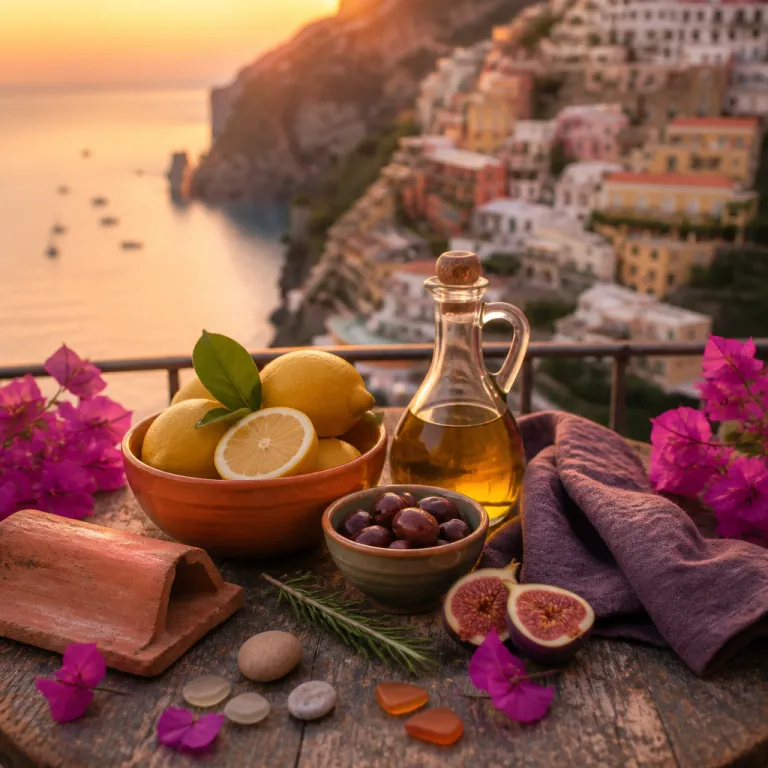
Positano is a vertical town where every hotel feels different. The steep lanes shape your entire trip, from the first beach stroll to the last late night walk. Choosing where to stay in Positano will define your daily rhythm and the kind of views you wake up to, whether that is a balcony over Spiaggia Grande or a quiet terrace high above the Amalfi Coast.
For a first time visit to Positano, staying near Spiaggia Grande beach places you in the lively heart of the Amalfi Coast. This central area offers some of the best access to the ferry pier, to the main boat tour operators, and to the most atmospheric restaurant terraces overlooking the bay. It suits travellers who want a short walk between their hotel, the sea, and the evening passeggiata through the town; representative hotels here include Le Sirenuse and Hotel Buca di Bacco, where summer rates often start around €600–€900 per night.
Higher up in the town of Positano, hotels along Viale Pasitea and Via Cristoforo Colombo offer sweeping Amalfi Coast views. You trade a few extra minutes of walking and many steps for quieter nights, more privacy, and often better value for several days. I highly recommend this upper town Amalfi zone if you prefer a serene stay in Positano with panoramic terraces and fewer crowds at your door; properties such as Hotel Villa Gabrisa or Hotel Conca d’Oro can start closer to €300–€450 in shoulder season.
On the eastern side, near Arienzo beach, you find hotels and villas that feel more secluded. This area of the Positano Amalfi coastline is ideal if you plan a longer stay in Positano focused on relaxation, private boat tour departures, and time at quieter beach clubs. A hotel here usually includes shuttle or boat access to Arienzo beach, which can save you energy on hot days when the stairs feel endless; Villa Treville and Il San Pietro di Positano are emblematic retreats, with luxury suites frequently exceeding €1,000 per night in high season.
West of the main town, the Fornillo beach district offers a more laid back atmosphere. Hotels above Fornillo give you easy access to smaller beach clubs and a scenic coastal path back to the central beach in about ten minutes. For travellers planning several days in Positano with a focus on swimming and simple restaurants, this compact area can be the best compromise between calm and convenience, with mid range options such as Hotel Pupetto or Hotel Vittoria often starting around €200–€350 depending on the month.
Best time to visit Positano and plan your hotel stay
The best time to visit Positano depends on how you balance weather, crowds, and rates. Spring and autumn on the Amalfi Coast bring mild temperatures, clearer views, and more relaxed service in every hotel and restaurant. These shoulder seasons are when a careful Positano Italy travel guide can truly shape a refined, unhurried trip, especially if you want to compare different neighbourhoods before choosing your base.
From late spring to early summer, the town of Positano feels vibrant but not yet overwhelmed. You will find beach clubs preparing for the season, ferry schedules expanding, and local tour operators opening more boat tour and cooking class options. This is an excellent time to stay in Positano if you want warm beach days, reliable ferry connections for a day trip to Capri or Amalfi, and a better chance of securing the best sea view rooms; ferries from Sorrento typically take about 40–50 minutes, while routes from Amalfi average 25–35 minutes.
High summer on the Amalfi Coast brings intense heat, crowded lanes, and premium hotel pricing. If you choose this period for your visit to Positano, book your hotel at least several months ahead and plan your days in Positano with early morning beach time and late afternoon sightseeing. I highly recommend reserving sunbeds at your preferred beach club and tables at your favourite restaurant before you even arrive in Italy, as last minute options can be limited in July and August.
Autumn can be the most rewarding time to visit Positano for travellers who value calm. Sea temperatures remain pleasant for a beach swim, while the Amalfi Coast ferries still run on reduced but workable schedules. With fewer day trip groups, concierges have more time to personalise your Positano travel plans, from arranging a private boat tour to suggesting lesser known sights in Positano such as small chapels or artisan workshops; this is also when you may find more flexible room upgrades.
Winter is the quietest season in Positano and across the Amalfi Coast. Many beach clubs, restaurants, and some hotels close, yet the dramatic coastal views and peaceful streets appeal to travellers seeking solitude. If you choose this time, work closely with your hotel to confirm which services, ferry routes, and local experiences will actually be available during your stay, and ask for recent updates on opening dates and holiday events.
How many days in Positano and how to structure your stay
For a first trip, three to four days in Positano usually feels balanced. This duration allows time to enjoy the main beach, explore the town, and take at least one day trip along the Amalfi Coast. With fewer days, Positano can feel rushed, while a longer stay in Positano lets you slow down and enjoy quieter corners, from hidden stairways to small viewpoints above the harbour.
On day one, settle into your hotel and get oriented with a gentle walk from the upper town down to the main beach. Use this first afternoon to understand the stairs, check ferry timetables, and speak with your concierge about a personalised travel guide to the area. I highly recommend asking them to outline things to do in Positano that match your style, whether that means a romantic restaurant list or a plan for the best family friendly beach clubs, plus suggestions for sunset photo spots.
Day two is ideal for a classic Amalfi Coast boat tour, either shared or private. Leaving from the main Positano ferry pier, you can cruise past the dramatic cliffs, swim in hidden coves, and stop in the town of Amalfi for a few hours. This is where a thoughtful Positano guide from your hotel can help you choose between different routes, from a simple Positano–Amalfi loop to a longer cruise that includes Ravello by land, usually reached by a 30–40 minute drive from Amalfi.
Reserve day three for the Path of the Gods, known locally as Sentiero degli Dei. This legendary Path of the Gods hike runs high above the Amalfi Coast and offers some of the best views in southern Italy. Many hotels can arrange transfers to the trailhead and provide a practical travel guide with timings, water stops, and suggestions for a late lunch in Nocelle or back in Positano; allow at least half a day for the hike and transport.
If you have a fourth day, use it for a slower rhythm focused on the beach and local culture. Spend the morning at Arienzo beach or Fornillo, then join an afternoon cooking class to learn regional dishes such as fresh seafood and lemon based desserts. Ending your days in Positano with this mix of sea, food, and gentle exploration creates a rounded experience that feels both indulgent and authentic, especially when you return to the same hotel each evening.
Personalised itineraries from your hotel concierge in Positano
In Positano, the most valuable travel guide often sits behind the hotel front desk. Concierges here work closely with the Positano Tourism Board and local tour operators, so they understand how the town breathes hour by hour. When you stay in Positano, use that expertise to shape a personalised itinerary that reflects your pace and priorities, rather than relying only on generic online lists.
Start by sharing how you imagine your ideal day on the Amalfi Coast. Do you picture a quiet morning on the beach, a long lunch at a cliffside restaurant, and a sunset boat tour, or do you prefer a full day trip to Amalfi and Ravello with structured sightseeing? A good concierge will translate these preferences into a realistic plan, taking into account ferry schedules, traffic on the coastal road, and the time to visit each landmark without rushing, while also suggesting backup options if the weather changes.
Concierges also know which beach clubs suit different travellers at different times of day. For example, they might recommend Arienzo beach club for a relaxed afternoon with strong swimming conditions, while suggesting the main Spiaggia Grande beach clubs for people watching and easy access to the town. This kind of tailored advice turns a generic Positano travel plan into a nuanced Positano guide that feels designed just for you, especially if you are travelling as a couple or with children.
When it comes to dining, your hotel team can secure tables at sought after restaurants that may appear fully booked online. They will know which restaurant offers the best sunset views, which one excels at local seafood, and which is ideal after a long day trip when you want something close to your room. I highly recommend asking for a written list of restaurant suggestions organised by area, price level, and walking time from your hotel, and saving it on your phone for quick reference.
For active travellers, concierges can coordinate a morning Path of the Gods hike followed by a restorative afternoon on the beach. They often arrange private transfers, luggage storage for late departures, and even post hike massages back at the hotel. Used well, this personalised service becomes the backbone of your Positano Italy travel guide, ensuring each day feels effortless while still rich in authentic experiences that reflect the character of the Amalfi Coast.
Signature experiences: beach clubs, boat tours, and cooking classes
Life in Positano revolves around the sea, and your hotel can curate the best coastal experiences. A day at a well chosen beach club combines comfort, service, and those iconic Amalfi Coast views that define many travellers’ memories. When you visit Positano, plan at least one full beach day and one dedicated boat tour to appreciate the coastline from every angle, and consider adding a short photo stop at the main viewpoint above town.
Beach clubs along Spiaggia Grande and Fornillo range from simple setups to refined venues with attentive service. Your concierge will know which beach clubs offer quieter sections, better shade, or easier access to the water for children and less confident swimmers. For something special, I highly recommend spending a day at Arienzo beach, reached by boat shuttle or a long staircase, where the setting feels more intimate and the sun lingers longer on the pebbles; photos from here often capture classic Positano colours.
Boat tours from Positano vary from short coastal cruises to full day Amalfi Coast itineraries. A private boat tour allows you to stop in hidden coves, swim off the stern, and approach the town of Positano from the water, which is one of the best views in Italy. Shared excursions, meanwhile, offer a sociable way to reach the town of Amalfi, explore its cathedral, and still be back in Positano in time for an aperitivo on your hotel terrace, with many trips lasting around six to eight hours.
Beyond the sea, a local cooking class adds depth to any Positano travel plan. Many hotels partner with nearby farms or family run kitchens where you can learn to prepare fresh pasta, seafood, and lemon based desserts using ingredients from the Amalfi Coast. These classes often include a small recipe travel guide to take home, turning one afternoon of your days in Positano into a lasting connection with the region’s flavours and culinary traditions.
To tie everything together, ask your hotel to design a sequence of experiences that balance activity and rest. One day might focus on the Path of the Gods and a simple dinner, while the next centres on a leisurely beach club reservation and a sunset cruise. Over several days, this curated rhythm transforms a simple trip into a thoughtful Positano Italy travel guide written through your own memories, supported by the local knowledge of your hotel team.
Practical travel logistics: ferries, transfers, and getting around town
Reaching Positano and moving around the town requires some planning, especially if you are carrying luggage. Most travellers arrive by ferry from Naples, Sorrento, or the town of Amalfi, or by road along the winding Amalfi Coast drive. Your hotel will usually provide the best up to date travel guide on which option suits your arrival time and comfort level, including whether to book a private transfer from Naples Capodichino Airport.
Ferries are often the most pleasant way to start or end a trip, offering open air views of the cliffs and the colourful town of Positano rising from the sea. When you step off the ferry, porters can transfer your bags up to your hotel for a fee, which I highly recommend accepting if your room sits high above the beach. Many hotels coordinate directly with these services and will explain the process in their pre arrival travel information, including approximate porter costs and meeting points.
Within Positano, walking is the primary way to move between your hotel, the beach, and the main restaurant areas. The streets are steep and stepped, so allow extra time to visit different levels of the town, especially in the heat of the day. Comfortable shoes and light layers make a noticeable difference to how you experience the many vertical demands Positano asks of its visitors, and a small daypack keeps hands free for railings.
For regional day trip plans, your concierge can arrange private drivers or advise on SITA buses that link Positano with Sorrento and Amalfi. A private car offers more flexibility for combining the Path of the Gods, Ravello, and a late lunch in one seamless day, while buses and ferries suit slower itineraries. Whatever you choose, confirm return times carefully so you are back in Positano before the last light fades from the Amalfi Coast, as evening services can be reduced outside summer.
Local experts emphasise a few simple habits that keep logistics smooth. As the Positano Tourism Board notes, "Wear comfortable shoes for steep streets, book accommodations early in peak season, try local seafood dishes, and use public transport to avoid parking issues." Treat that advice as a compact Positano guide checklist, and your stay in Positano will feel far more effortless from the first to the last day, regardless of which hotel area you choose.
Key figures for planning a stay in Positano
- Positano has a resident population of around 3,800 people, according to recent ISTAT municipal data (for example, 2022 figures), which contrasts with the much larger number of visitors and explains why the town can feel crowded in peak season.
- The Amalfi Coast summer temperature in Positano averages about 26–27 °C in July and August, based on Weather.com climate summaries for 2020–2023, making beach days comfortable but stair climbing demanding in the middle of the day.
- The Positano Tourism Board and local council reports indicate that several hundred thousand tourists arrive each year, a figure that underlines why you should book your hotel, beach club spots, and key restaurant reservations well in advance, especially if you want specific room types or sea view suites.
FAQ: planning your Positano hotel stay
What is the best time to visit Positano for a hotel stay ?
The best time to visit Positano for most travellers is spring or autumn, when temperatures are mild, the Amalfi Coast is less crowded, and hotel rates are often more reasonable than in high summer. These seasons also offer clearer views and more relaxed service in restaurants and beach clubs. If you prefer lively nightlife and guaranteed beach weather, early summer can still work well with careful planning and early bookings.
Are there good beaches in Positano near the hotels ?
Positano has two main beaches, Spiaggia Grande and Fornillo, both within walking distance of many hotels. Spiaggia Grande is the central beach with the widest choice of beach clubs, restaurants, and boat tour departures. Fornillo is smaller and quieter, reached by a coastal path, and suits guests who prefer a more relaxed atmosphere, with several small hotels and guesthouses just above the sand.
Is Positano an expensive town for a hotel based trip ?
Positano is known as one of the more expensive towns on the Amalfi Coast, especially in peak season when demand for sea view rooms is very high. You can manage costs by visiting outside the busiest months, choosing rooms without full sea views, and planning some simple meals away from the waterfront. Booking early and staying several days in the same hotel can also unlock better value through long stay offers or shoulder season promotions.
How do I get around Positano from my hotel ?
Most movement in Positano happens on foot, using a network of steep streets and staircases that link hotels, the beach, and the upper town. Local buses connect different levels of the town and run to nearby villages, while ferries and SITA buses link Positano with Sorrento and Amalfi. Many hotels also work with private drivers for airport transfers and tailored day trips along the coast, which can be helpful if you are travelling with heavy luggage.
What foods should I try while staying in Positano ?
While staying in Positano, focus on fresh seafood, handmade pasta, and lemon based desserts that reflect the Amalfi Coast’s agricultural heritage. Many restaurants highlight local fish, clams, and prawns, often paired with regional wines. Joining a cooking class during your stay is an excellent way to learn these recipes and bring a taste of Positano back home, especially if your hotel can recommend a trusted local chef.
Sources
- Positano Tourism Board (local visitor statistics and travel advice)
- ISTAT – Italian National Institute of Statistics, municipal population data for Positano (for example, 2022 release)
- Weather.com, historical climate summaries for Positano and the Amalfi Coast (2020–2023)