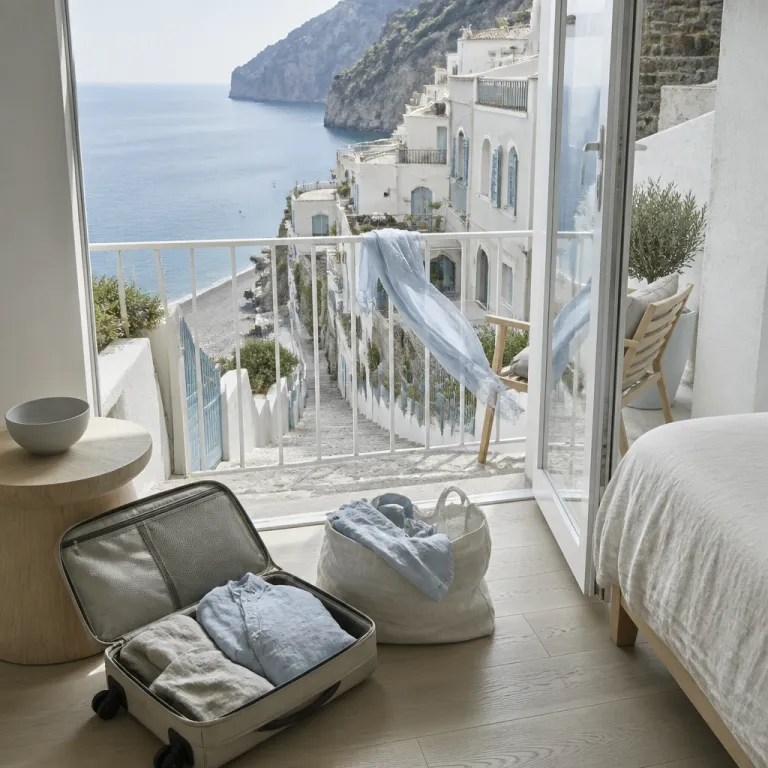
How this Positano Italy shopping guide helps you choose your hotel
Positano is a vertical town where your hotel location shapes every shopping moment. When you stay close to the center Positano streets around Via dei Mulini and Via Pasitea, you can step from your lobby straight into the most atmospheric shops and artisan workshops. For any traveller planning a trip that balances sea views, elegant rooms and curated shopping, understanding how the town layout interacts with your daily routes is the best way to choose where to sleep.
Think of this Positano Italy shopping guide as a practical travel companion written for guests who care as much about a refined wardrobe as a panoramic view. The steep lanes that tumble from the upper Amalfi Coast road down to Spiaggia Grande beach create natural shopping corridors, and your hotel choice will determine whether you glide down for a gentle stroll or tackle a demanding climb after a long day. When you compare options, ask how many minutes you will walk from reception to the main shopping streets, the church of Santa Maria Assunta and the sea, because these details quietly define the rhythm of your stay.
Many visitors arrive from the United States or other long haul destinations and underestimate how compact yet vertical this Amalfi town really is. If you want to visit shops several times a day, perhaps to refine sandal fittings or return for a custom dress, staying near the center Positano hub saves both energy and time. As one long-time concierge explained, “Guests who can reach Via dei Mulini in under five minutes shop more, but feel less tired at night.” Guests who prefer a quieter Amalfi Coast experience may choose a hotel higher on the coast road, accepting more stairs in exchange for a wider sea view and calmer evenings after the crowds leave the beach clubs.
Choosing a hotel location for effortless shopping days
For travellers who prioritise shopping, the best Positano base usually sits between Spiaggia Grande and the upper curve of Via Pasitea. From here you can reach the church Santa Maria Assunta, the main beach club area and the densest cluster of shops within ten minutes on foot, which keeps every day trip into town pleasantly manageable. When you study maps, look for properties that mention easy access to the center Positano lanes rather than only highlighting a distant Amalfi Coast panorama.
Staying near the waterfront places you close to Spiaggia Grande and the ferry pier for Capri, but it also means you are at the lowest point of the town. After a long day of shopping Amalfi ceramics, linen and leather, climbing back to a high perched hotel can feel like a guided tour in stair form, so consider whether you prefer to ascend once in the morning or several times. Guests who choose mid level hotels along Via dei Mulini or Via Pasitea often find they enjoy both a generous sea view and quick access to shops, restaurants and the church of Santa Maria Assunta.
Some travellers use Positano as a base for wider coast travel, combining a stay here with a day trip to Amalfi, Ravello or Capri. In that case, proximity to the SITA bus stops and ferry dock matters as much as distance to the shops, because you will move between destinations frequently. When you compare the best time to leave for excursions with the best time to enjoy quieter shopping streets, remember that early mornings and late afternoons usually offer the most relaxed atmosphere in this town.
Where to shop near key hotels and landmarks
The heart of this Positano Italy shopping guide lies along two streets, Via dei Mulini and Via Pasitea, which curve through the town like elegant ribbons. Here you will meet local artisans and boutique owners who have shaped the moda Positano style, from brightly coloured cotton sundresses to hand stitched leather sandals that mould to your feet over several days. Regional tourism materials and local business listings indicate that there are roughly fifty fashion and craft boutiques in Positano, a concentration that makes even a short visit feel rich with choice.
Close to the church of Santa Maria Assunta, whose tiled dome dominates many postcards, you will find shops specialising in linen, ceramics and lemon based products that reflect the wider Italy Amalfi region. Visitor information from the Campania tourism board notes that “What is moda Positano?” is a frequent question, and describes it as “A fashion style featuring brightly-colored cotton sundresses.”, which you will see displayed in almost every window near the church Santa square. Around this area, many hotels frame a direct view of the dome and the sea, allowing you to step out for a quick purchase before breakfast or after a sunset aperitivo.
Along Via Pasitea, especially near artisan addresses such as La Botteguccia, you can watch craftsmen cut and assemble sandals while you wait. Local guides confirm that “Where to buy handmade sandals in Positano?” is a common query and reply that it is best done “Along Via Pasitea at shops like La Botteguccia.”, where average prices for handmade sandals hover around 100 EUR according to specialist travel reporting and shop menus. Because bargaining is not standard in Italian shops and regional etiquette guides state that “Is bargaining common in Positano shops?” is answered with a firm “No, bargaining is not standard in Italian shops.”, you can focus on quality, fit and design rather than negotiation.
Linking beach clubs, sea days and shopping from your hotel
Many guests choose Positano for its rare combination of sea, shopping and dramatic cliffs, and your hotel position will influence how easily you move between these pleasures. When you stay near Spiaggia Grande, you can alternate hours at a beach club with short walks back into town to browse linen dresses, ceramics or lemon liqueur, turning a simple beach day into a layered experience. If you prefer quieter coves and more exclusive beach clubs, a short boat ride from the main beach opens options such as Arienzo or Laurito, where you can swim before returning to the center Positano streets for evening shopping.
Guests who plan a day trip by boat to Capri often appreciate hotels close to the pier, because early departures make every minute of sleep valuable. After a Capri excursion, returning to a room with a direct view of the Amalfi Coast cliffs and the church Santa dome feels especially rewarding, and you can still slip out for a final hour of shopping Amalfi ceramics or sandals before dinner. When you design your itinerary, think of each day as a gentle triangle between your hotel, the sea and the shops, with the best time for each activity shifting as the sun moves.
Those interested in structured experiences may book a guided tour that combines a coastal cruise with a short Positano travel walk through artisan workshops. In such cases, staying near the meeting point reduces stress and lets you enjoy the commentary about Italy Amalfi history, local churches and maritime routes without worrying about steep returns afterward. Whether you arrive from elsewhere on the Amalfi Coast or from the United States, aligning your hotel choice with your preferred balance of beach clubs, shopping and rest will make the town feel tailored to your style.
Timing your stay and daily shopping routes
Shops in Positano generally open from mid morning to early afternoon, then again from late afternoon into the evening, and this rhythm should guide both your hotel choice and your daily plans. Information from the Campania tourism board and local shop notices indicates that many stores close between mid October and April, so the best time for a shopping focused trip usually falls between late spring and early autumn when the town is fully awake. Within each day, the best time to browse quietly is soon after opening or just before dinner, when cruise visitors and day trippers have thinned.
Because Positano is built vertically, planning your routes saves energy and lets you enjoy more shops with less effort. Start at the highest point near your hotel and work down toward the sea, visiting leather workshops, linen stores and ceramic studios as you descend toward Spiaggia Grande and the main beach club area. Later, you can return to your hotel by local bus or taxi if you prefer to avoid climbing, which is especially helpful after a long day of coast travel or a guided tour along the Amalfi Coast.
Those combining Positano travel with wider Italy Amalfi itineraries often schedule a day trip to Amalfi town or Ravello on days when shopping matters less. On pure shopping days, staying in or near the center Positano core allows you to return to your room several times, perhaps to drop purchases or change before visiting a different cluster of shops. This flexible pattern turns even a short visit into a series of refined moments rather than a rushed checklist of destinations.
Deep dive: supporting artisans and sustainable fashion from your hotel base
Beyond the postcard views, a more thoughtful Positano Italy shopping guide looks at how your choices as a hotel guest can support the town’s artisan community. Regional tourism boards and independent travel writers highlight a context of rich artisan heritage and an expected impact of enhanced appreciation for craftsmanship, which becomes real when travellers choose handmade sandals, ceramics and moda Positano garments over mass produced souvenirs. Staying in hotels that recommend local artisans, rather than only international brands, helps keep this creative ecosystem alive along the Amalfi Coast.
Current trends show increased demand for sustainable fashion and rising popularity of lemon themed products, both of which align naturally with Positano’s strengths. When you walk from your hotel through the center Positano lanes, look for workshops where you can see leather being cut, fabrics being sewn or ceramics being painted, because these encounters turn simple shopping into meaningful cultural exchange. Many visitors from the United States and other distant destinations find that such purchases carry more memory than generic items bought in larger Italy cities.
To deepen this connection, ask your hotel concierge for a personalised travel guide style map that links specific shops with viewpoints, churches and quiet corners. You might, for example, start near the church of Santa Maria Assunta, continue past sandal makers on Via Pasitea, pause at a terrace with a sweeping sea view, then finish near Spiaggia Grande for a sunset drink. Over several days, this pattern transforms your stay from a standard coast travel stop into a considered relationship with the town, its artisans and its evolving fashion identity.
Key figures for shopping focused stays in Positano
- Positano hosts around 50 dedicated fashion and craft boutiques concentrated along Via dei Mulini and Via Pasitea, giving the town one of the highest shop densities on the Amalfi Coast according to mapping analyses and regional tourism summaries.
- The average price of handmade leather sandals in Positano is about 100 EUR per pair, a figure reported by travel specialists and reflected in price lists at long established sandal workshops.
- Typical shop hours run from 09:30 to 13:00 and 16:30 to 20:00, with a midday closure that encourages guests to return to their hotel or the beach during the hottest hours, as noted on local storefront signs.
- Many shops close from mid October to April, so travellers who prioritise shopping usually plan their visit between late spring and early autumn when the town operates at full capacity, in line with guidance from the Campania tourism board.
FAQ: Positano shopping and hotel choices
What is moda Positano and where will I see it near my hotel ?
Moda Positano is a local fashion style defined by lightweight cotton, bright colours and relaxed silhouettes that suit the Amalfi Coast climate. You will see it in almost every window along Via dei Mulini and near the church of Santa Maria Assunta, areas that many central hotels overlook. Choosing accommodation close to these streets lets you explore this style in short, frequent walks rather than single long outings.
Where should I stay if I want easy access to the best shops ?
For most travellers, the most convenient area lies between Spiaggia Grande and the mid level curve of Via Pasitea, where many hotels sit within a ten minute walk of the densest shopping streets. From here you can reach sandal makers, linen stores and ceramic studios without tackling extreme staircases after every purchase. Guests who stay higher on the hill gain wider views but should be prepared for more demanding returns after shopping sessions.
Is bargaining acceptable in Positano shops when I buy sandals or dresses ?
Bargaining is not standard practice in Italian shops, and Positano is no exception, especially in established fashion and artisan boutiques. Prices for handmade sandals, which average around 100 EUR, reflect both materials and skilled labour rather than inflated tourist margins. You can, however, ask politely about available sizes, custom adjustments or alternative designs, which artisans often accommodate with pride.
How can I combine a day trip to Capri or Amalfi with shopping in Positano ?
Staying near the ferry pier or bus stops makes it easier to leave early for Capri or Amalfi town and return in time for evening shopping. Many travellers spend the morning on the sea or exploring other destinations, then dedicate late afternoon and early evening to browsing shops in the center Positano lanes. This pattern uses the quieter shopping hours and avoids the midday heat when the streets are most crowded.
What practical tips should I follow for shopping days in such a vertical town ?
Local advice emphasises wearing comfortable shoes for the hilly terrain, carrying some cash for small purchases and visiting early to avoid crowds, all of which align with on the ground experience. Plan your routes from top to bottom whenever possible, starting near your hotel and descending toward the sea to reduce effort. If you buy heavier items such as ceramics, consider returning them to your room before continuing, or ask your hotel about shipping options to your home country.
References
Key factual details in this article are informed by regional tourism boards for Campania and the Amalfi Coast, specialist travel reporting on Positano retail and artisan culture, local shop price lists and notices, and mapping platforms that analyse commercial density in Italian coastal towns.